
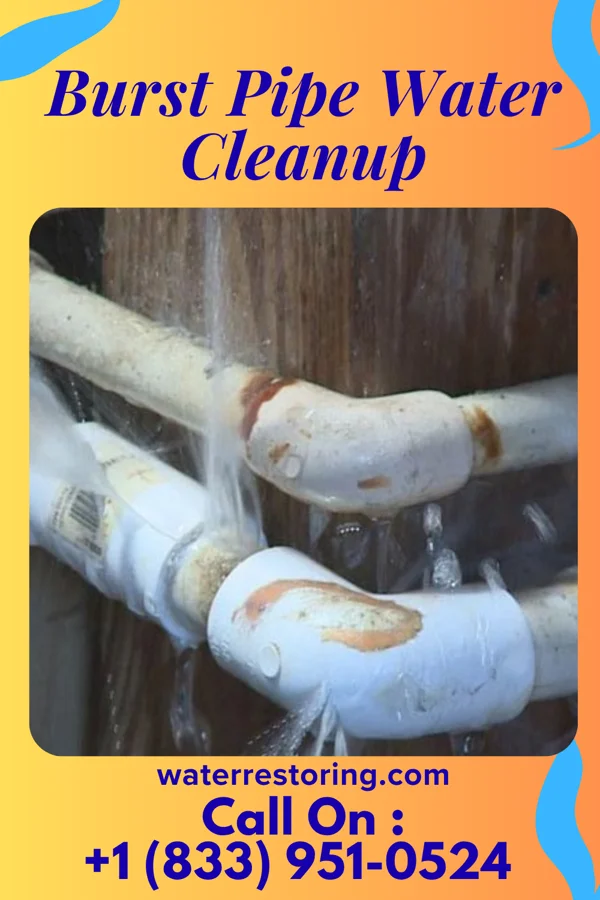
Fort Campbell North Pipe Burst Risk Drivers
Water damage in Fort Campbell North tends to cluster in predictable windows because of the local climate. Fort Campbell North, located in Christian County, experiences a higher risk of burst pipes due to the high volume of military and civilian infrastructure, including residential and commercial buildings. The area's aging plumbing systems, especially in older military housing, can be prone to sudden failures during periods of extreme temperature fluctuations. A close second is The proximity to Clarksville, TN, and LaFayette, KY, means that the region is also influenced by regional water pressure variations. Additionally, the area's suburban layout with many single-family homes increases the likelihood of localized pipe bursts during peak usage times..
Fort Campbell North's climate, characterized by cold winters and hot summers, contributes to the vulnerability of its plumbing systems. The region's seasonal extremes, combined with the presence of military and civilian infrastructure, heighten the need for proactive water damage prevention and rapid response services.
Fort Campbell North's climate, characterized by cold winters and hot summers, contributes to the vulnerability of its plumbing systems. The region's seasonal extremes, combined with the presence of military and civilian infrastructure, heighten the need for proactive water damage prevention and rapid response services. The dominant local driver is Fort Campbell North, located in Christian County, experiences a higher risk of burst pipes due to the high volume of military and civilian infrastructure, including residential and commercial buildings. The area's aging plumbing systems, especially in older military housing, can be prone to sudden failures during periods of extreme temperature fluctuations., with The proximity to Clarksville, TN, and LaFayette, KY, means that the region is also influenced by regional water pressure variations. Additionally, the area's suburban layout with many single-family homes increases the likelihood of localized pipe bursts during peak usage times. showing up as the next most common cause. Damage builds in stages. Spread. Absorption. Microbial growth. Structural compromise. Every stage you pass through adds to the final bill.